Sajna Space 🚀
IT Manager exploring AI adoption, engineering leadership, space tech, and building things that matter.
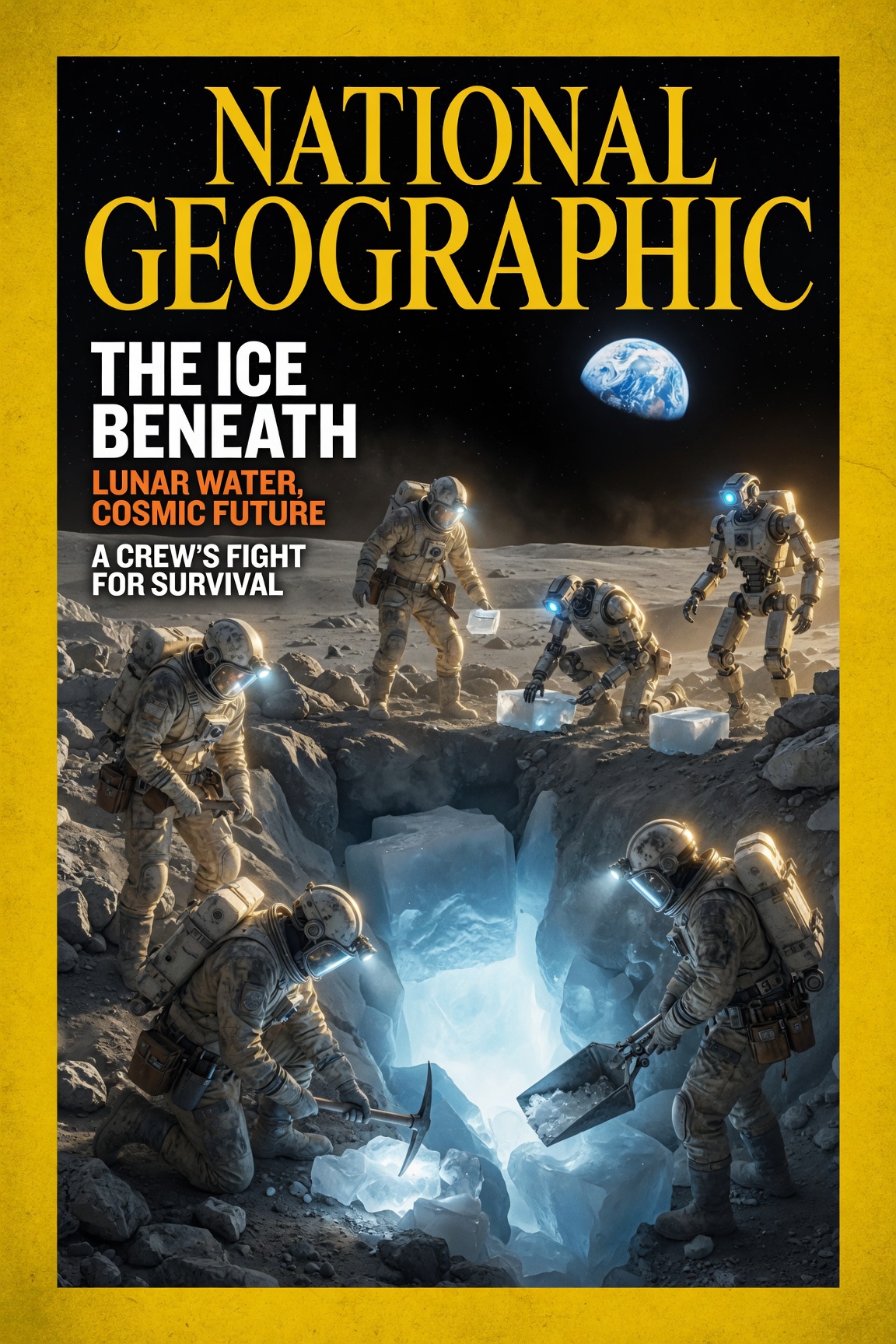
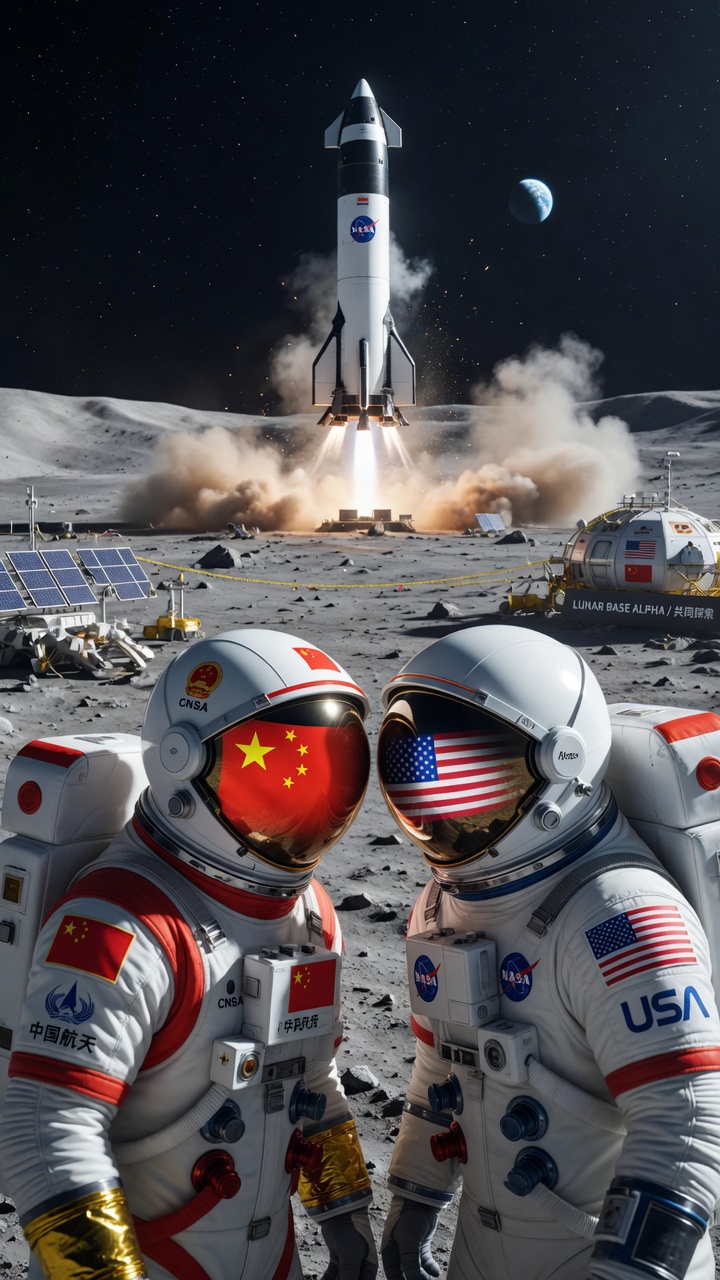
Part 4 of 6 in the New Frontier series. The Moon Is Not a Destination 384,400 km. A little under two light-seconds. Far enough that a radio message takes just over a second each way, close enough that we have sent twelve humans there and brought them all back alive. The Moon has been sitting in our sky for 4.5 billion years, and for most of human history, it was nothing more than a navigation aid and a reason to write poetry. ...
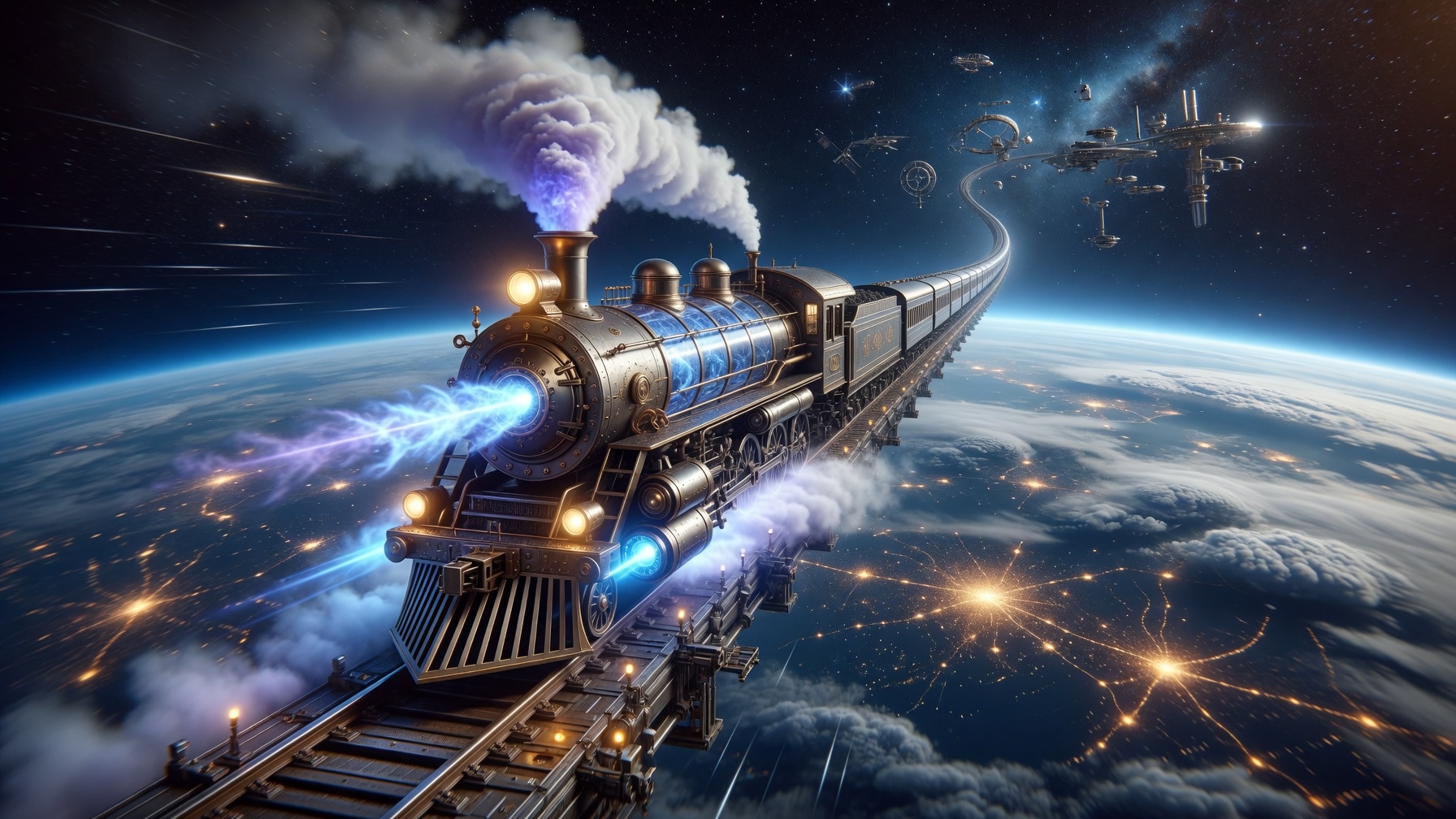
The New Frontier: Payload Economics — How Starship Changes Everything Part 3 of a 6-part series. Part 1: The Vision | Part 2: The Timeline V3 Flies May 22, 2026. Starship V3 — stretched tanks, 33 Raptor 3 engines, catch-ready hardware — lifted off from Starbase, Boca Chica, on its first integrated flight test. IFT-12. The upgraded heat shield held through re-entry. Around twenty mock Starlink V3 satellites deployed from the payload bay. Super Heavy executed a controlled descent and splashed down in the Gulf of Mexico (catch attempt deferred for the first V3 flight — smart). The Ship completed a controlled splashdown in the Indian Ocean. ...
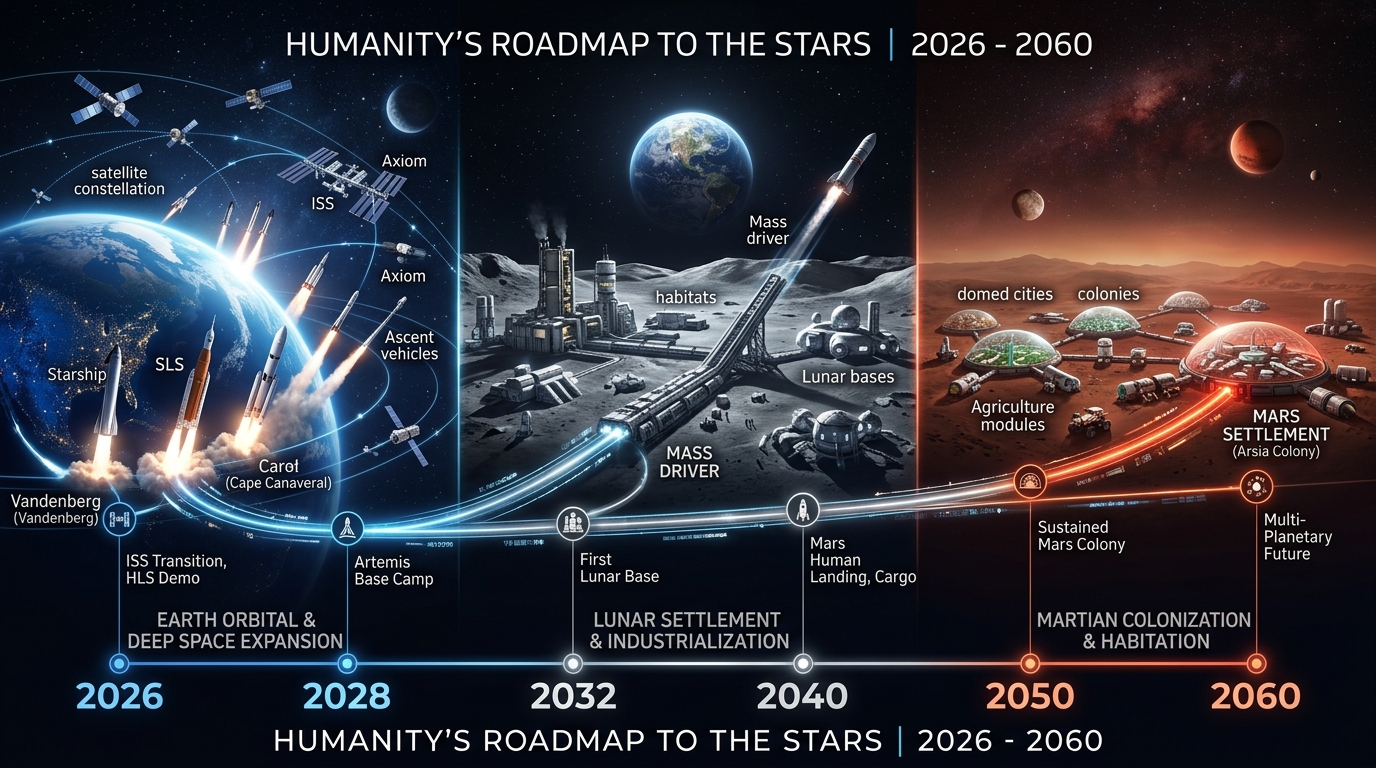
This is Part 2 of a 6-part series called “The New Frontier.” Part 1 laid out the vision: industrial orbit, a permanent Moon base, and the road to Mars. This article gets granular. Dates, numbers, dependencies — and where the whole thing could fall apart. Every roadmap is wrong. The question is whether it’s wrong in useful ways. What follows is my best attempt at a realistic, multi-track timeline for space industrialization from now through 2060. I’ve organized it in four phases, and within each phase I cover all the major tracks in parallel — Starship, Artemis, orbital compute, Mars, commercial ventures, China — because that’s how reality works. These programs don’t exist in silos. A slip in Starship affects Artemis. A breakthrough in ISRU changes the Mars calculus. China’s pace changes everyone’s funding. ...
I’ve spent 20 years in IT — managing teams, building infrastructure that most people never see but everyone depends on. I’ve watched compute go from racks in closets to hyperscale data centres to the cloud. Every time, the pattern was the same: someone builds the platform, and then everything changes. What’s happening right now in space is that pattern — except the platform is orbit, the Moon, and eventually Mars. And the scale makes cloud computing look like a toy. ...
This is the final post in the Velocity vs Value series. Previously: The Velocity Trap, AI Greenfield vs Brownfield, and Measuring What Matters. AI coding tools accelerate delivery — we’ve covered the data in this series. They’re genuinely valuable. But acceleration without visibility creates a specific risk: quality degradation that nobody notices until it compounds. Here’s how it plays out: an AI tool generates a feature in 20 minutes. It passes all automated tests. CI is green. The PR is merged. Velocity: +1. Two weeks later, a security audit flags a pattern. A month later, a production issue traces back to a function with cyclomatic complexity of 47. Three months later, the module is hard to modify because the generated code lacks documentation and clear structure. ...
This is Part 4 of the Velocity vs Value series. Previously: The Velocity Trap and AI Coding Tools: Greenfield vs Brownfield. You understand that velocity alone doesn’t tell the full story. You’ve seen how AI tools accelerate delivery while introducing new quality considerations. Now comes the practical part: what do you actually measure to show your team’s real impact? “We need better metrics” is easy to say. Your stakeholders need numbers. Your board needs a narrative. Your team needs to know what success looks like — and how to promote what they deliver. You need a framework that doesn’t require a PhD in data science to implement. ...

This is Part 3 of the Velocity vs Value series. Previously: The Velocity Trap. Here’s a demo that writes itself: an engineer types a natural language description, and an AI agent generates a complete microservice in three minutes. Working tests. Clean structure. The audience applauds. Here’s what they don’t show you: that same AI agent, pointed at a five-year-old enterprise codebase with custom ORM patterns, undocumented business rules, and three layers of abstraction that made sense in 2021 — producing code that compiles, passes lint, and does the wrong thing in production. ...

This is Part 2 of the Velocity vs Value series. In the pillar post I introduced the tension between velocity mandates and value delivery. This post goes deeper into why velocity as a target fails — and what actually works. The Speedometer Problem Velocity was designed as a planning tool. It helps teams estimate capacity. It’s a speedometer, not a gas pedal. You don’t make a car faster by taping over the speedometer and writing a bigger number. ...

Velocity vs Value: How to Measure Success in the Age of AI There’s a moment every engineering manager dreads. You’re in a steering meeting, your platform just survived a massive overhaul, your small-but-senior team is finally shipping on a solid foundation — and someone says: “We need a feature per day. Just use the AI.” I want to talk about what happens next — not the political maneuvering, but the measurement problem underneath it. Because the question isn’t whether AI makes us faster. The question is: faster at what? And how do we prove it? ...

When your AI assistant tells you you’re a genius, you might want to worry. There’s a video making the rounds on X right now. In it, @atmoio tears apart how AI chatbots — Claude in particular — are turning tech CEOs into delusional yes-men magnets. The target? Gary Tan, CEO of Y Combinator, who recently published gstack on GitHub: a collection of markdown files with Claude Code prompts that role-play an entire engineering team. CEO, Engineering Manager, QA, DevOps — all played by one LLM. ...